Design-First Updates That Help East Lincoln Homes Stand Out
June 11, 2026
June 11, 2026
If your East Lincoln home is competing with other well-kept listings, square footage alone may not be what sets it apart. Buyers are often reacting first to how a home looks, feels, and functions the moment they walk in or scroll through photos. The good news is that you do not need a massive remodel to create that advantage. With the right design-first updates, you can focus on the changes that help your home feel move-in ready while respecting its character. Let’s dive in.
In East Lincoln, many homes stand out because of style, condition, and how well the presentation fits the architecture. Lincoln’s permit-ready plan library identifies American Four-Square homes from about 1905 to 1925, Craftsman Bungalows from about 1905 to 1930, and Tudor Revival homes from about 1915 to 1940 as common or appropriate in East Lincoln and nearby historic areas. That means many sellers are working with homes that already have strong character, but they need thoughtful updates to show that character well.
That visual condition matters to buyers. According to the 2025 Remodeling Impact Report from the National Association of Realtors, 46% of buyers are less willing to compromise on a home’s condition. In practical terms, that helps explain why small, visible improvements can have an outsized impact when your home hits the market.
If you want one of the clearest pre-listing updates, start with paint. The 2025 Remodeling Impact Report says painting the entire home is the top pre-sale project recommended by Realtors at 50%, followed by painting one room at 41%. Fresh paint is often the fastest way to make a home feel brighter, cleaner, and more current.
For East Lincoln homes with older trim, mixed flooring, or a blend of finishes from different decades, a consistent paint palette can also create visual calm. Neutral walls help architectural details feel intentional instead of dated. This is especially helpful in older homes where buyers may otherwise focus on mismatched finishes instead of the home’s strengths.
Before spending on major upgrades, address the things buyers notice right away. NAR’s staging guidance defines staging as cleaning, decluttering, repairing, depersonalizing, and updating the home. That means scuffed walls, loose hardware, tired caulk lines, worn light fixtures, and damaged flooring deserve attention before you consider more expensive work.
This kind of prep supports a stronger first impression both online and in person. It also helps buyers focus on the space itself rather than a running list of small repairs they think they will need to tackle later.
If your kitchen or bath needs help, a light refresh is usually more strategic than a full remodel right before listing. The 2024 Cost vs. Value report from JLC found that a minor kitchen remodel recouped 96% nationally, while a major kitchen remodel recouped 50%. A midrange bath remodel recouped 74%.
That does not mean every home needs a kitchen project. It means smaller, visible improvements often make more sense than tearing everything out. Think updated hardware, fresh paint, improved lighting, clean counters, and select fixture swaps that help the room read as cared for.
Curb appeal should be high on your list. NAR’s outdoor-features report says 92% of Realtors have suggested sellers improve curb appeal before listing, and 97% believe curb appeal is important in attracting a buyer. Nearly all also said it matters to potential buyers.
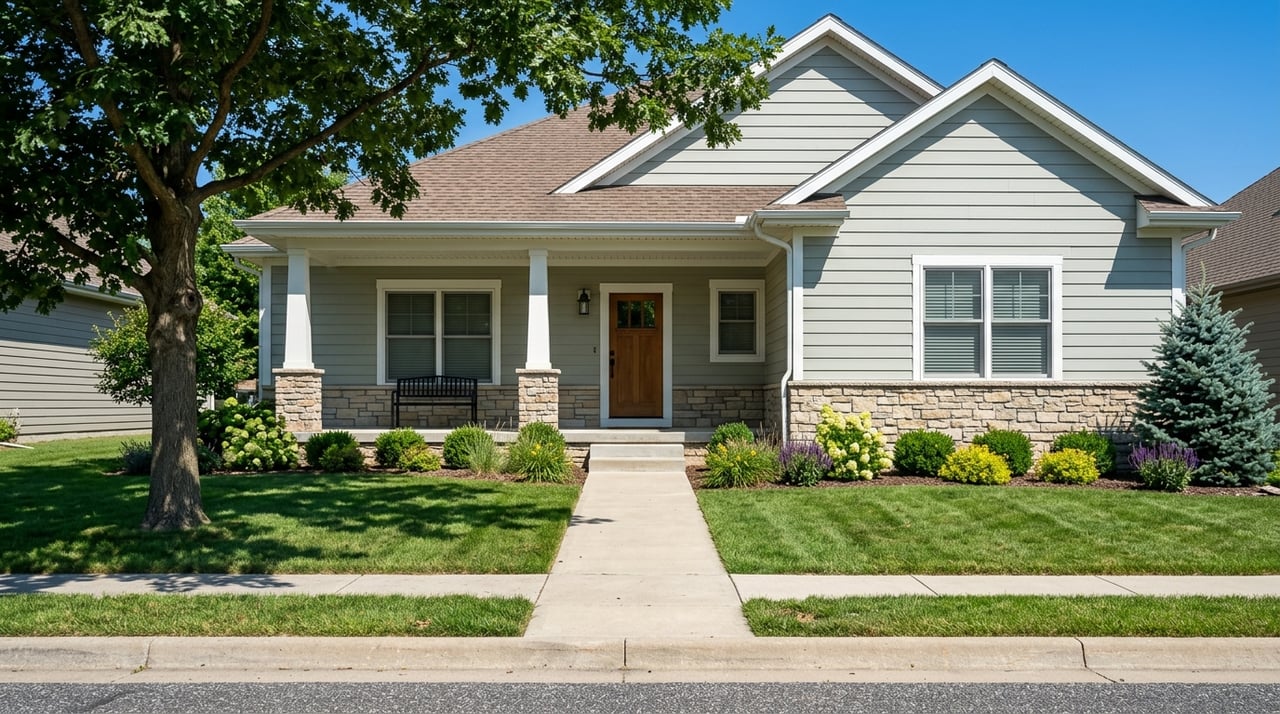
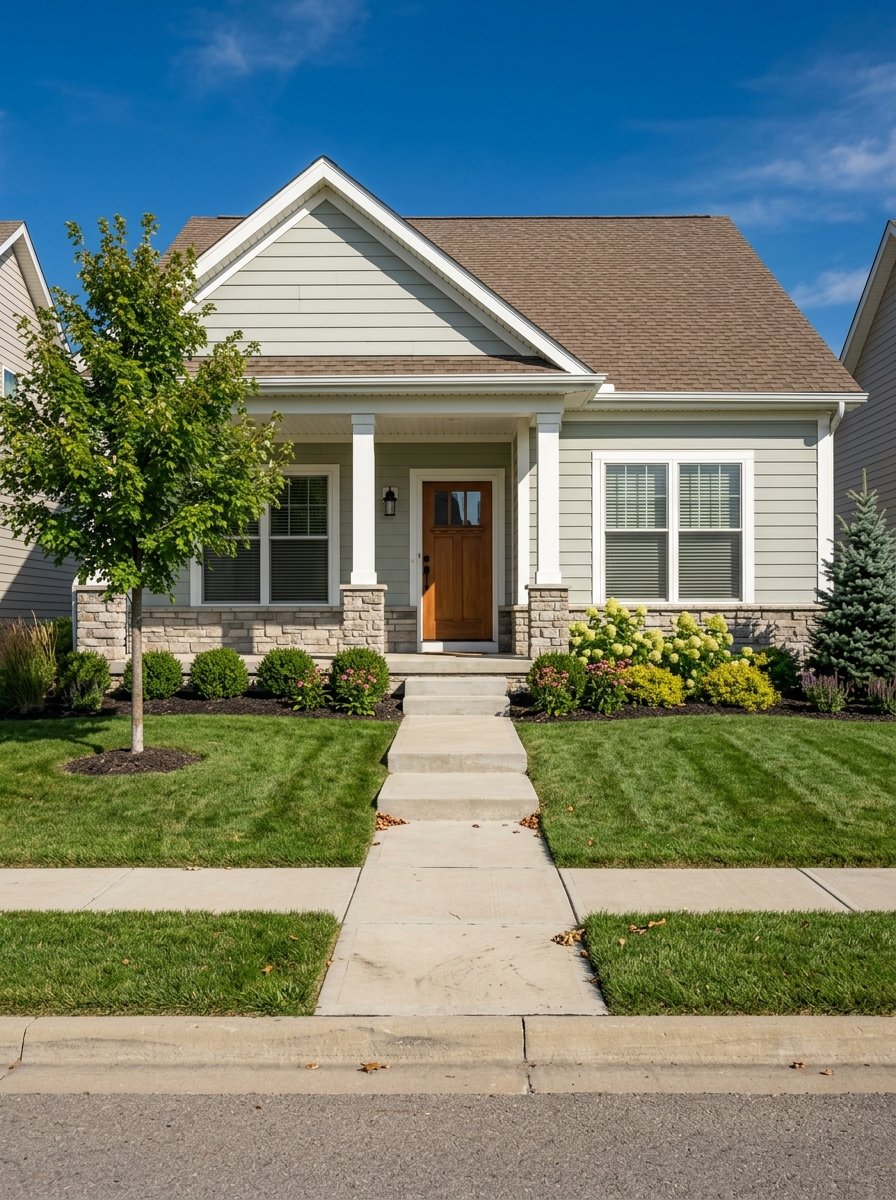
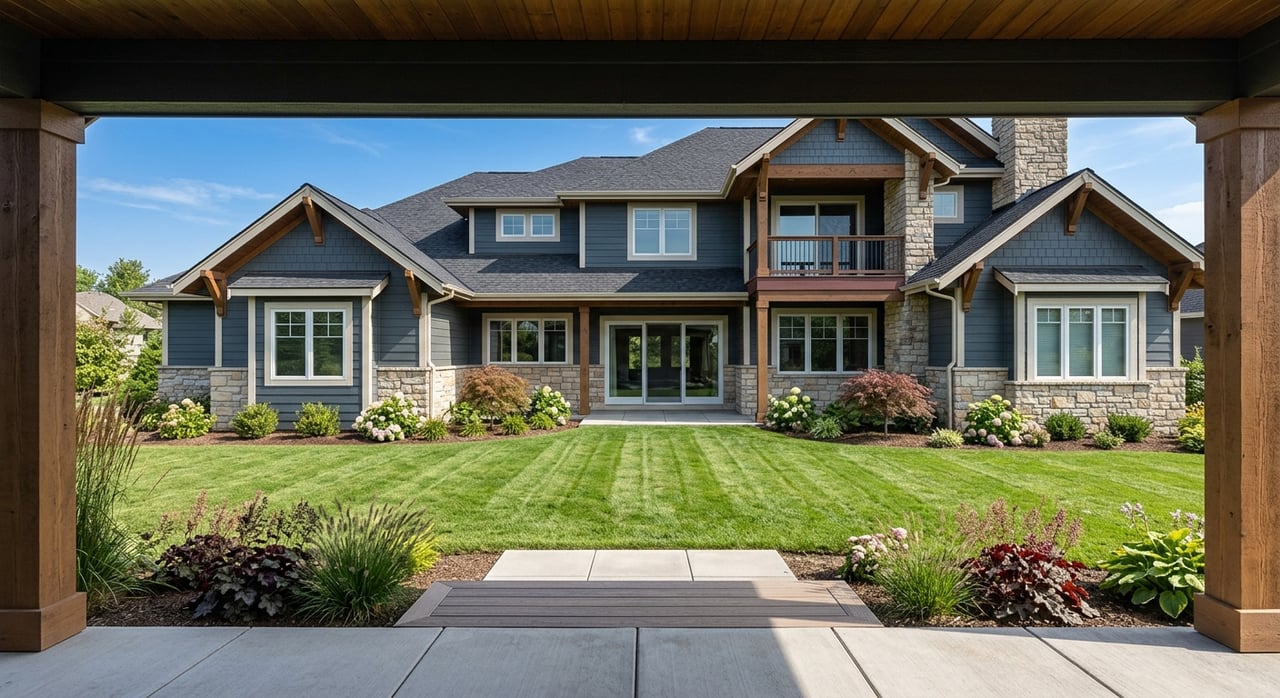
In East Lincoln, that often means focusing on the view from the street and the path to the front door. A clean walkway, tidy edging, trimmed landscaping, and a sharper-looking entry can quickly improve how buyers read the whole property. These updates photograph well and create a more inviting showing experience.
If you are deciding where to put your budget, some exterior projects have stronger resale benchmarks than major interior overhauls. JLC’s 2024 Cost vs. Value report found that garage door replacement returned 194% nationally, steel entry door replacement returned 188%, and manufactured stone veneer returned 153%.
For many East Lincoln sellers, that makes a front-door refresh or garage-door improvement more compelling than a large structural project. These are the kinds of changes buyers notice immediately, and they can make the entire exterior feel more updated.
With older East Lincoln homes, more is not always better. Lincoln’s historic-maintenance guidance says owners should retain and preserve original porches, roof forms, materials, and other character-defining features. It also notes that additions should complement the structure and are generally best placed at the rear so the house still reads correctly from the street.
That makes restrained exterior refreshes especially smart. Repainting trim, cleaning siding, refreshing the front door, tidying planting beds, and improving the garage door often support the home’s original style better than trying to overwrite it with trendy design choices.
If your home is in a local landmark district or is an individual landmark, exterior changes may need to follow city design standards. Lincoln’s historic-preservation guidance says visible exterior changes in landmark properties and districts must follow those rules. The city also advises owners in historic districts to check with the Historic Preservation Planner before certain landscaping work, such as retaining walls, fences, or sidewalk replacement.
That step matters because the right update is not just attractive. It also needs to fit local requirements. If your home may be historically designated, confirm that before starting visible exterior work.
Staging is more than decoration. NAR’s 2025 Profile of Home Staging found that 83% of buyers’ agents said staging made it easier for buyers to visualize the home as their future residence. The same report found that 49% of sellers’ agents said staging reduced time on market, and 29% said it led to a 1% to 10% increase in the dollar value offered.
That is a strong reason to treat staging as part of your listing strategy, not an afterthought. For sellers in East Lincoln, staging can help bridge the gap between an older layout and current buyer expectations.
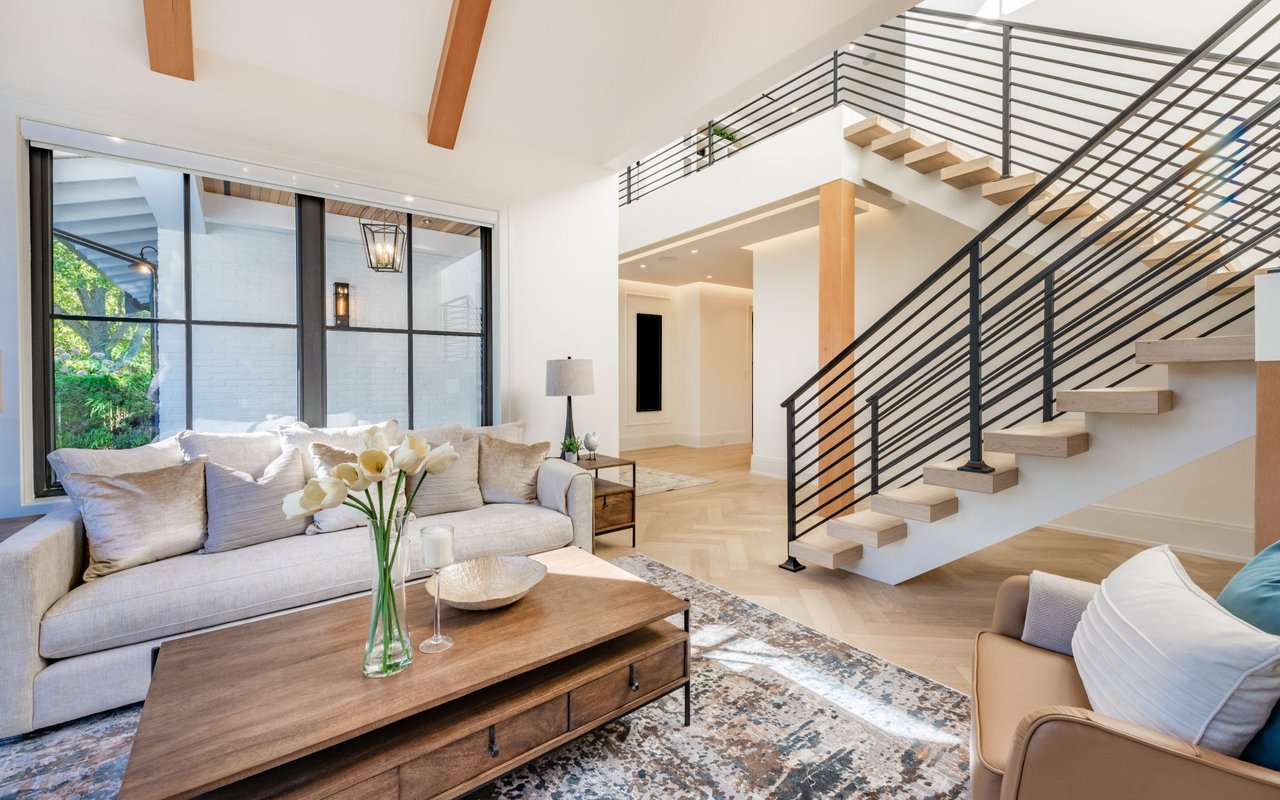
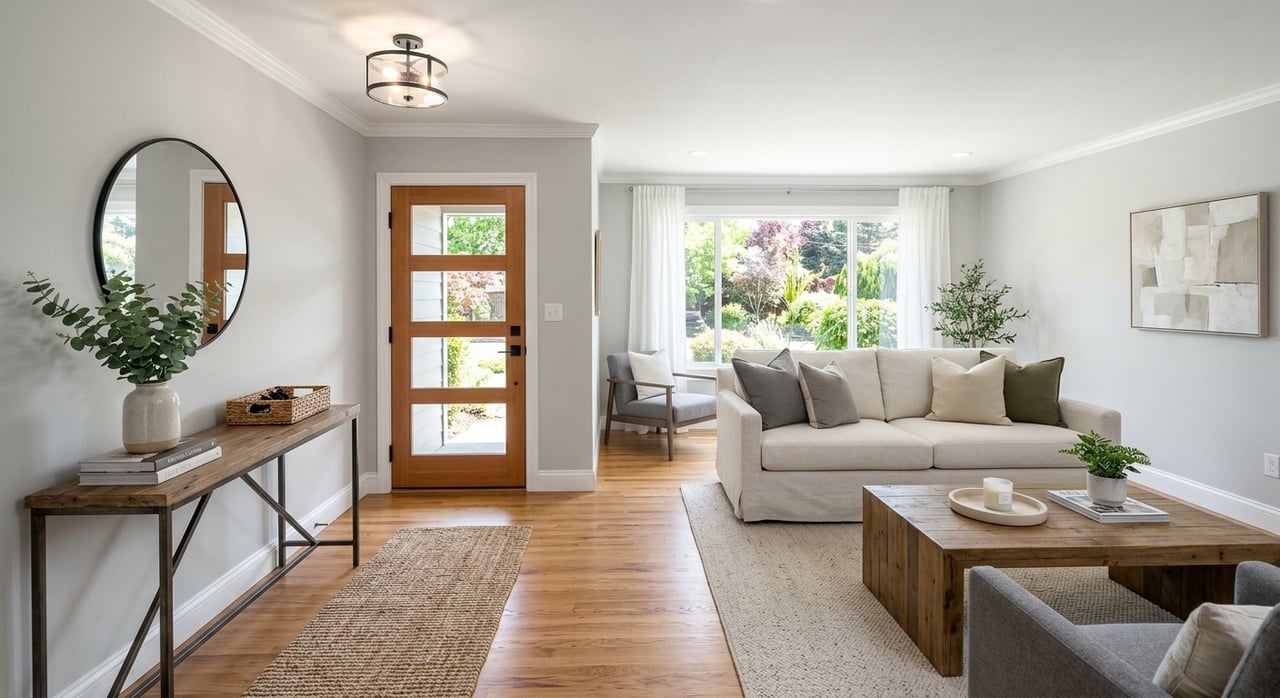
Not every room needs equal attention. In NAR’s 2025 profile, sellers most commonly staged the living room, primary bedroom, dining room, and kitchen. Buyers’ agents also identified the living room as the most important room to stage, followed by the primary bedroom and kitchen.
That lines up well with many East Lincoln floor plans. In homes like American Four-Squares and Craftsman Bungalows, buyers often read the entry, living room, dining area, and main bedroom first. When those spaces feel polished and purposeful, the rest of the home tends to show better too.
Older homes do not need to pretend to be open concept to sell well. Lincoln’s plan library shows common forms in East Lincoln that often have more defined rooms and circulation patterns. The better strategy is to make each room’s purpose clear and keep transitions calm and easy to understand.
That might mean anchoring a living room with scaled seating, simplifying a dining space, or clearing hallway clutter so movement feels natural. Good staging supports the architecture that is already there instead of fighting it.
If your home is empty, virtual staging can still support the listing presentation. NAR notes that virtual staging can be useful when a home is vacant or when full physical staging would be too costly or cumbersome, especially for listing photos and online presentation.
For sellers, that can be a helpful fallback when timing or budget is tight. The goal stays the same: help buyers understand the space quickly.
When you are preparing to list, the order of your updates matters. The strongest sequence is usually based on what buyers notice first and what helps the home feel clean, cared for, and easy to understand.
A practical order looks like this:
This sequence aligns with NAR’s staging guidance and broader remodeling research. It also helps you avoid overspending on projects that may not improve presentation as much as basic condition and design clarity.
If you are choosing between a long list of possible upgrades, focus on what buyers see fastest. Paint, front-entry updates, flooring touchups, lighting, and staging often do more for listing performance than major additions. JLC’s 2024 report supports that approach, with lower resale recoup on major kitchen remodels, bathroom additions, and primary suite additions than on projects like garage doors, entry doors, or minor kitchen refreshes.
In other words, you do not have to do everything. You need to do the right things in the right order. That is where a design-first listing strategy can make a real difference.
Thoughtful updates can help your East Lincoln home feel more polished, more current, and more aligned with what buyers are looking for now. When you pair smart improvements with strong staging and clear market positioning, your home has a better chance to stand out for the right reasons. If you want help deciding what is worth doing before you list, Amy Birkholz can help you build a staging and listing strategy around your home, your timeline, and your goals.
Stay up to date on the latest real estate trends.

We are committed to guiding you every step of the way—whether you're buying a home, selling a property, or securing a mortgage. Whatever your needs, we've got you covered.