What Downtown Lincoln Haymarket Living Is Really Like
April 23, 2026
April 23, 2026
If you want a Lincoln neighborhood where restaurants, events, and everyday errands can all be part of the same walk, Downtown Lincoln’s Haymarket District stands out fast. You may be drawn to the energy, the historic character, or the idea of living close to work, entertainment, and campus-adjacent activity. This guide will help you understand what daily life in the Haymarket really looks like, who it tends to fit best, and what to know before you make a move. Let’s dive in.
The Haymarket is Lincoln’s historic warehouse district, located immediately west of old Haymarket Square. According to the Downtown Lincoln Association’s history of the Haymarket, Lincoln designated the eight-block Haymarket Landmark District in 1982, and the district was later listed on the National Register in 2014.
What makes the area distinctive today is its intentional mix of uses. The district was redeveloped to combine offices, retail, entertainment, and residences, which helps explain why living here feels more urban and connected than in many other parts of Lincoln.
The neighborhood has also received broader recognition. The American Planning Association named it a Great American Neighborhood in 2009, reinforcing the Haymarket’s role as one of downtown Lincoln’s best-known places to live, work, and spend time.
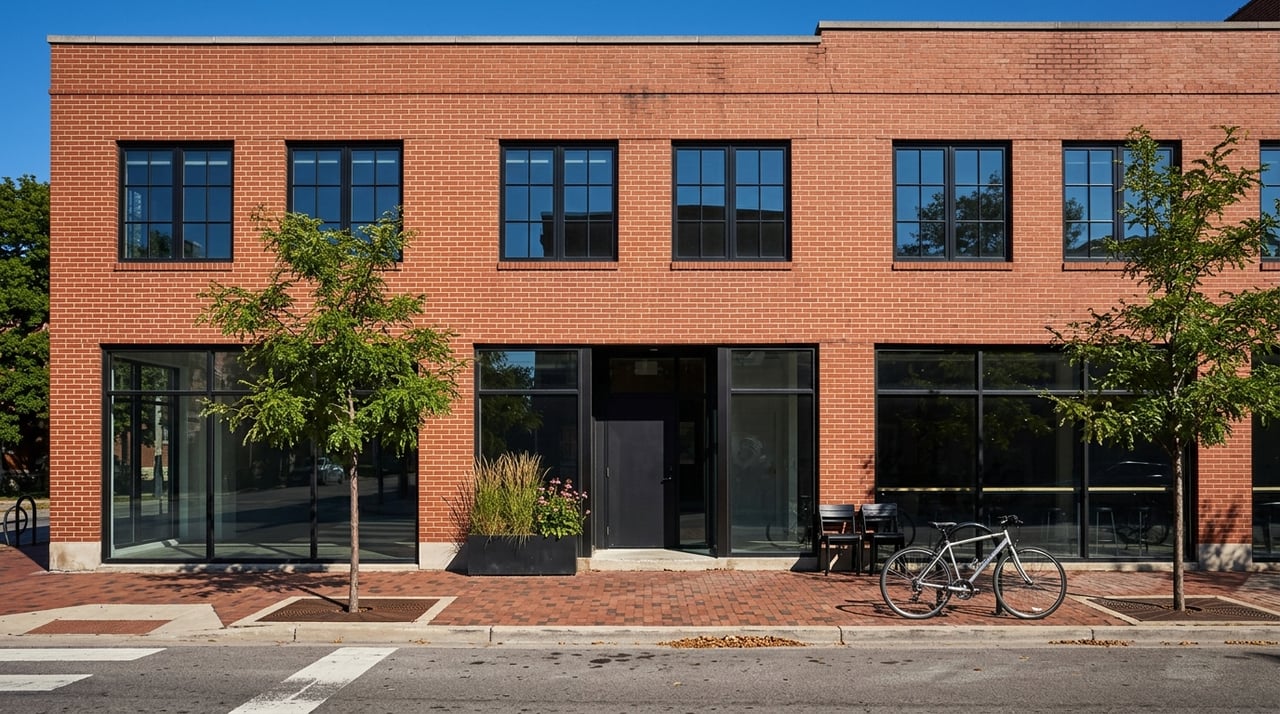
If you are picturing detached homes and large private lots, the Haymarket may not be the right fit. City records show that downtown housing is heavily apartment-based, with properties such as 8|N Lofts, Canopy Row, Canopy Park, Latitude, and The Lincoln Building shaping the area’s residential character.
That means the housing experience here tends to center on lofts, apartments, and mixed-use buildings. For many buyers and renters, that setup is a major advantage because it places housing close to dining, entertainment, and downtown employers.
New residential options are also still being added. In 2025, the city announced Central at South Haymarket, a 175-unit affordable housing complex expected to open in late 2026 with one- to four-bedroom layouts, a fitness center, community room, business center, playground, community gardens, and reserved parking.
Looking farther ahead, the city’s South Haymarket neighborhood planning summary identifies Greater Downtown as a place for high-density residential and mixed-use growth. That plan says the area could support roughly 1,000 to 2,000 additional residential units over time, which signals continued momentum for downtown living.
One of the Haymarket’s biggest lifestyle advantages is how easy it can be to get around without relying on your car for every trip. Visit Lincoln notes that Downtown Lincoln is easy to navigate on foot, by bike, by scooter, or on the Downtown Trolley.
That is not just marketing language. A downtown N Street address scores 95 out of 100 for walkability and 96 for biking, which supports the idea that car-light living is realistic in the core of the district.
You also have several transportation tools available. BikeLNK offers classic and electric bikes, ScooterLNK provides e-scooters, and the Downtown Trolley runs Monday through Friday from 6:15 a.m. to 8:30 p.m. every 15 minutes for 25 cents.
At the same time, it helps to go in with realistic expectations. The city’s Downtown Master Plan notes that Ninth and Tenth Streets can still function as pedestrian barriers between downtown and the Haymarket, so some crossings may feel more like downtown infrastructure than a fully pedestrian-only district.
Transit and bike access continue to improve as well. The city says StarTran’s temporary transfer center is now at 11th and L, while a permanent multimodal center is under development, and the N Street Cycle Track connects the Arena and West Haymarket to the Antelope Valley trail network.
For many people, the appeal of living in the Haymarket starts with what is right outside the door. The district packs a wide mix of restaurants, coffee shops, nightlife spots, and entertainment into a compact area, including places listed in Lincoln’s Haymarket neighborhood guide, such as The Oven, Fleetwood, Crescent Moon Coffee, Bierhaus Maisschaler, and Lazlo’s.
You also have nearby options for shopping and activities. The same guide highlights spots such as From Nebraska Gift Shop, Burlington Antique Mall, Tomahawks Axe Throwing, Escape Lincoln, Screamers, and Mana Games.
For day-to-day living, convenience matters just as much as fun. Lincoln’s Downtown Master Plan identifies Canopy Street Market, an 8,000-square-foot grocery on Canopy Street between N and O Streets in South Haymarket, as an important amenity for downtown residents.
That kind of addition matters because it supports a more practical downtown lifestyle. When grocery access, coffee, entertainment, and errands are all close together, the neighborhood becomes easier to use as a full-time home base rather than just a place to visit on weekends.
If you enjoy being close to culture and live events, the Haymarket gives you a strong starting point. According to the University of Nebraska-Lincoln, Lincoln’s arts scene includes the Sheldon Museum of Art, the Lied Center, and the monthly First Friday Artwalk, all of which add to the downtown experience.
The city is also investing in Lincoln’s music identity. In 2025, Lincoln opened the Music Box downtown, a space for rehearsal, recording, performance, and education.
For residents, that means the neighborhood is not only about bars and game days. It also offers regular access to visual art, performances, and creative spaces that help shape a more layered urban lifestyle.
Living in the Haymarket means living near one of the busiest event zones in Lincoln. UNL describes Memorial Stadium as one of the greatest football atmospheres in the country and notes that Husker football Saturdays are an all-day event, while Haymarket Park hosts Husker baseball and Lincoln Saltdogs games.
That event energy is a real part of the neighborhood rhythm. In 2025, UNL launched a new Cornhusker Kickoff fan fest just outside Memorial Stadium, adding even more pregame activity to the area.
For some buyers, this is a major plus. If you like being close to sports, crowds, and a lively city atmosphere, the Haymarket can feel exciting and convenient.
For others, it can be a drawback. If you prefer quiet streets, minimal traffic, or a more predictable pace on evenings and weekends, the district may feel busier than you want.
The Haymarket is not standing still. Long-range planning continues to point toward more residential growth in Greater Downtown, and major public projects are adding new amenities that could shape the area’s next phase.
One of the most notable is Canopy Yard. The city’s South Haymarket planning summary says this 8.5-acre destination park near 7th and N is scheduled to open in December 2026 and will include an interactive water feature, playground, dog park, and skate park.
Projects like this can make downtown living more functional and appealing over time. If you are considering buying near the Haymarket, it is worth paying attention not just to what the district offers today, but also to what is in the pipeline.
The Haymarket tends to work best for people who want an urban, connected lifestyle. If you value walkability, nearby dining, arts access, and frequent events, the district offers a combination that is hard to match elsewhere in Lincoln.
It can also make sense if you want to simplify your day-to-day routine. Being close to downtown employers, bike infrastructure, transit options, and everyday amenities can reduce how often you need to drive.
On the other hand, the area is generally less suited to buyers who want detached homes, quieter residential streets, or more distance from event traffic. That is not a negative, just an important lifestyle match question to answer honestly before you move.
Before choosing the Haymarket, think through how you actually want to live day to day. A neighborhood can look great on paper and still be the wrong fit if it does not match your routine.
A few questions can help:
If your answers lean yes, the Haymarket may be one of the most compelling urban lifestyle options in Lincoln. If not, another Lincoln neighborhood may align better with your goals.
If you are weighing Lincoln neighborhoods and want practical guidance on what fits your lifestyle, reach out to Amy Birkholz. Whether you are buying, selling, or planning your next move in Lancaster County, Amy brings local insight, clear communication, and a thoughtful strategy to help you move with confidence.
Stay up to date on the latest real estate trends.
Selling your home is a process, but you can make it easier (and make more money!).
We are committed to guiding you every step of the way—whether you're buying a home, selling a property, or securing a mortgage. Whatever your needs, we've got you covered.